


Why Acoustic Tiles Matter in a Golf Simulator Room
It’s easy to get the expensive bits right with golf simulator rooms and pick out a fancy launch monitor. Then you hit a few balls and realise the whole space sounds harsh, echoes, and feels more garage than golf sanctuary.
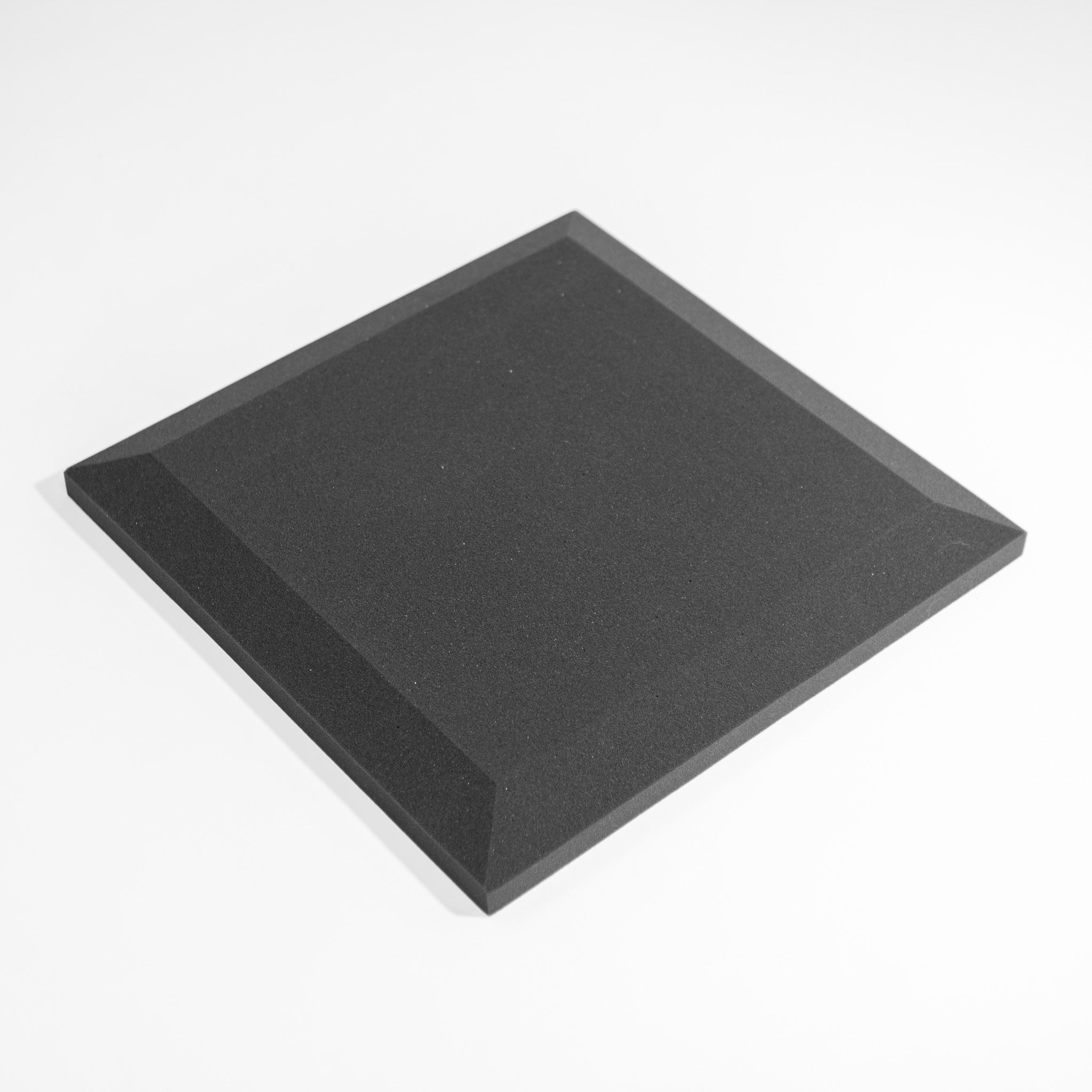
That’s where acoustic tiles come in. They help take the edge off your setup, reduce the sharp slap of reflected sound, and make everything more comfortable.
Acoustic tiles are a finishing touch with plenty of practical benefits. In a hard-surfaced simulator bay, sound bounces around the space and builds up as reverberation. Acoustic panels absorb that energy, helping to calm the room and make every shot feel more contained.
It’s also important to think of simulator rooms as more than just noisy spaces. They are impact spaces. Even if your swing is tidy, the occasional miss-hit or ricochet is part of the deal. Acoustic wall tiles help protect the surrounding area, especially around the hitting zone and side walls, while also improving the finish of your bay. That mix of protection and presentation is a big reason they make so much sense in a golf simulator setting.
Better acoustics make practice less abrasive. A more padded, more finished room feels more inviting to use. And when a simulator room looks good to use, it becomes a place you actually want to spend time in.
Something to bear in mind before you cover your space in acoustic tiles from top to bottom: You don’t need to turn the room into a padded bunker to notice a difference. Sensible coverage in the right places is what shifts a sim bay from loud and unfinished to controlled and considered.
If you've already invested in the screen, mat and launch monitor, this is the sort of upgrade that helps the whole setup feel (and sound) complete.